15 Jul 2026
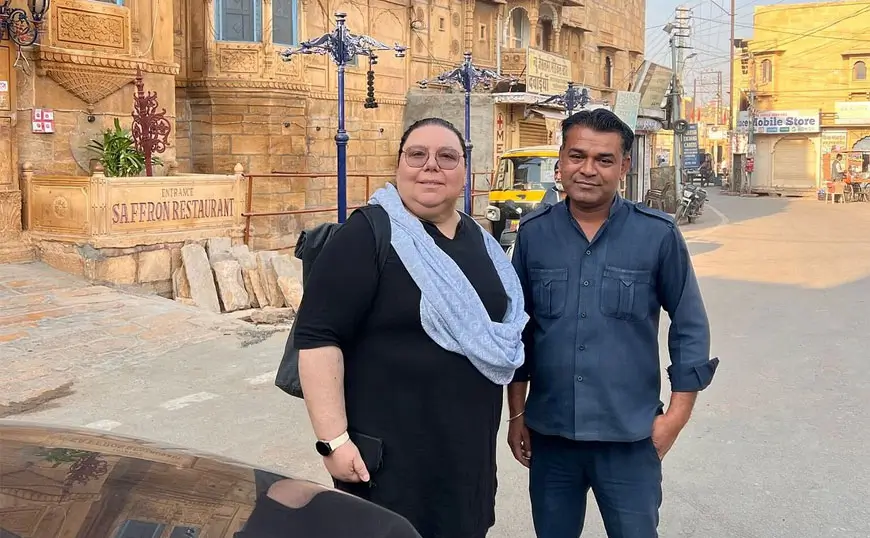
One of the most common concerns for international travelers planning a trip to India is communication, especially when hiring a driver. Since transportation plays a central role in exploring the country, travelers naturally want to know whether they will be able to communicate effectively. The question of do Indian drivers speak English is not just about language—it is about comfort, clarity, and overall travel experience.
India is a multilingual country with hundreds of languages and dialects spoken across different regions. English, however, is widely used as a common language, particularly in urban areas and within the tourism industry. This means that many drivers who work with tourists have at least a basic understanding of English.
However, the level of fluency can vary depending on factors such as location, experience, and the type of service you choose. Drivers associated with professional car and driver services in India usually have better communication skills compared to independent drivers working locally.
Understanding this variation is important because it helps you set realistic expectations. Instead of expecting perfect fluency, it is more practical to focus on effective communication, which is often more than enough for a smooth journey.
Not all drivers in India have the same level of English proficiency, and this is something travelers should be aware of. In general, drivers can be categorized into different levels based on their experience and exposure to international tourists.
Drivers working with established travel companies or India private tours with driver often have basic to moderate English skills. They can understand common travel-related instructions, communicate about routes, timings, and stops, and handle everyday conversations effectively.
Some drivers, especially those with years of experience in the tourism sector, may have good conversational English. They can engage in discussions, share local insights, and assist with more detailed communication.
On the other hand, drivers in smaller towns or those not regularly dealing with international tourists may have limited English skills. In such cases, communication may rely more on simple words, gestures, or basic phrases.
Recognizing these differences helps you approach interactions with patience and adaptability, ensuring a smoother travel experience.
Most tourist drivers understand basic English, especially on popular travel routes like Rajasthan and the Golden Triangle. Simple communication is usually enough for smooth and comfortable travel.
Despite concerns about language barriers, most travelers find that communication with drivers in India is not a significant issue. This is because travel-related interactions are often simple and repetitive, focusing on directions, timings, and basic needs.
Drivers are familiar with common tourist requirements and can understand instructions related to destinations, stops, and schedules. Even if their English is not perfect, they are usually able to communicate effectively within the context of the journey.
Another important factor is the willingness to communicate. Most drivers make an effort to understand and assist travelers, using a combination of words, gestures, and context to ensure clarity. This makes communication with drivers in India more manageable than many travelers expect.
Technology also plays a role in bridging communication gaps. Navigation apps, translation tools, and messaging platforms provide additional support, making it easier to convey information when needed.
Effective communication is not just about language—it is about clarity and simplicity. When interacting with your driver, using clear and straightforward sentences helps avoid misunderstandings.
Instead of complex instructions, focus on simple phrases and direct communication. For example, specifying locations, confirming timings, and discussing plans in advance ensures that both you and the driver are aligned.
Using visual aids such as maps or showing locations on your phone can also enhance communication. This approach reduces reliance on language and ensures that instructions are understood accurately.
Maintaining a friendly and patient attitude further improves communication. When both parties are comfortable, interactions become smoother and more effective.
Misunderstandings can occur in any travel situation, but they are usually minor and easy to resolve. One common issue is related to pronunciation or accent differences. Words may sound different, leading to confusion about locations or instructions.
Another area where misunderstandings can arise is timing. Confirming schedules clearly and repeating important details helps avoid confusion. For example, discussing departure times, stops, and duration in advance ensures that expectations are aligned.
Clarifying details at the beginning of the day or before starting a journey is a simple but effective way to prevent issues. This proactive approach minimizes the chances of miscommunication during the trip.
Choosing a reliable private driver in India through a professional service significantly improves communication. Established companies ensure that their drivers have the necessary skills to interact with international travelers.
These drivers are trained to understand common travel requirements and handle interactions professionally. They are also more familiar with tourist routes, destinations, and expectations, which reduces the need for detailed explanations.
In addition, professional services often provide support in case of any communication issues. This adds an extra layer of confidence and ensures that you are not left dealing with challenges on your own.
Drivers in India often play a role that goes beyond transportation. While they are not official guides, many drivers share useful information about routes, local areas, and practical tips.
This informal interaction enhances the travel experience and provides insights that may not be available through standard guides. Even with basic English skills, drivers can offer valuable assistance that adds to your journey.
Understanding this role helps you appreciate the value of having a driver and makes the experience more enjoyable.
Many drivers working with tourists can communicate in English for routes, stops, and daily travel needs. This helps foreign travelers feel more comfortable and stress-free during the journey.
Language differences are often seen as a challenge, but they can also be part of the travel experience. Interacting with people from different backgrounds and adapting to new ways of communication adds depth to your journey.
In India, communication is not limited to words. Expressions, gestures, and context play an important role in interactions. This creates a unique environment where understanding goes beyond language.
Embracing this aspect of travel allows you to connect with the local culture and makes your experience more memorable.
Preparation can make a significant difference in how you handle communication during your trip. Learning a few basic phrases, understanding common travel terms, and familiarizing yourself with key locations can enhance your confidence.
Keeping important information written down or saved on your phone ensures that you can refer to it when needed. This includes hotel addresses, destination names, and contact details.
Being open to different communication styles and maintaining a flexible approach ensures that you can adapt easily to any situation.
Yes, as you spend more time with your driver, understanding improves and communication becomes easier.
Stay calm, clarify your point using simple language, and confirm details to resolve the issue.
While not official guides, many drivers share useful local information and tips.
Yes, translation apps can be useful for clarifying specific details or overcoming language barriers.
Yes, experienced drivers are familiar with common travel requirements and can manage interactions effectively.
Yes, professional services ensure that drivers have the necessary skills and experience to communicate with international travelers.
The level varies depending on the driver’s experience and the service provider. Drivers associated with professional companies typically have better communication skills.
Use simple sentences, show locations on maps, and confirm details clearly to avoid misunderstandings.
In most cases, language is not a major problem. Simple communication, combined with gestures and technology, makes interactions manageable.
Most drivers working in the tourism sector have basic to moderate English skills, which are usually sufficient for travel-related communication such as directions, timings, and basic conversations.