07 Apr 2026
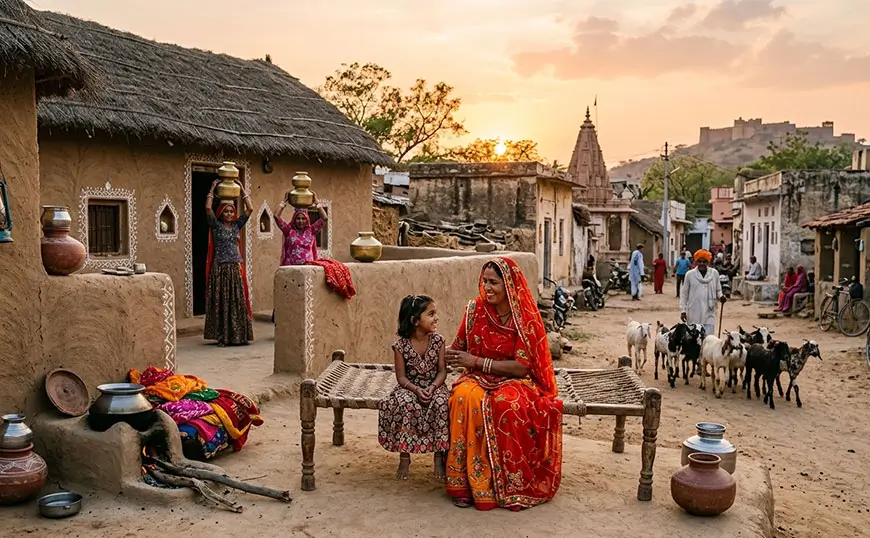
Rajasthan is widely known for its majestic forts, royal palaces, colorful bazaars and dramatic desert landscapes. However, the true soul of the region can often be found far beyond the famous tourist cities. Travelers who venture into rural communities discover a completely different perspective of India that feels deeply authentic, peaceful and culturally rich. The village experiences in Rajasthan introduce visitors to a slower rhythm of life where traditions remain strong and daily activities are still shaped by centuries-old customs.
Unlike the busy streets of Jaipur or the lakeside palaces of Udaipur, rural villages offer a glimpse into how ordinary families live, work and maintain cultural traditions across generations. These villages reflect the agricultural roots of Rajasthan and show how communities have adapted to the unique desert environment over time. Visitors who explore rural regions often witness farmers working in the fields, women dressed in vibrant traditional clothing carrying water from wells, and artisans crafting handmade goods using techniques that have been preserved for centuries.
One of the most remarkable aspects of these rural experiences is the warmth of local hospitality. Villagers are often curious and welcoming toward travelers who take the time to visit their communities respectfully. Conversations with local residents can reveal fascinating stories about family traditions, agricultural practices and regional festivals that are rarely mentioned in conventional travel guides.
Exploring rural Rajasthan travel experiences also allows travelers to understand the connection between the landscape and the people who live there. The desert climate, seasonal rainfall and agricultural cycles all influence daily life. Observing these relationships provides visitors with a deeper appreciation of how culture and environment are closely connected across the region.
For travelers seeking more meaningful journeys, spending time in Rajasthan’s villages transforms the trip from simple sightseeing into a genuine cultural discovery.
Life in rural Rajasthan follows a rhythm that is deeply connected to nature and community traditions. The pace of life in villages moves slowly compared with large cities, allowing residents to maintain strong relationships with their families, neighbors and agricultural land. Observing rural life in Rajasthan villages reveals a lifestyle that remains closely tied to traditional customs and local resources.
Most villages in Rajasthan are surrounded by farmland where crops such as millet, wheat and mustard are cultivated depending on the season. Agriculture forms the backbone of village economies, and many families participate in farming activities throughout the year. Early mornings often begin with farmers heading to their fields while livestock such as cows, goats and camels are taken out for grazing across nearby lands.
Village houses are typically built using materials suited to the desert climate. Many homes are constructed with mud walls, sandstone blocks or lime plaster that helps maintain cooler temperatures during the intense summer heat. These houses often feature small courtyards where families gather during evenings to cook meals, share conversations and enjoy cooler air after sunset.
Community life plays a central role in villages. Social connections remain strong because residents rely on each other for support during agricultural work, festivals and family celebrations. Weddings, religious ceremonies and seasonal festivals often involve the entire village community.
Visitors exploring authentic Rajasthan village culture often notice how traditions influence daily life. Clothing styles, cooking methods and social customs reflect the historical heritage of the region. Women wear colorful ghagra skirts and traditional jewelry, while men may wear turbans that represent regional identity.
For travelers interested in cultural immersion, observing rural life in Rajasthan provides valuable insight into the traditions that have shaped the region for centuries.
Live the village life, enjoy home-cooked Rajasthani meals, and connect with local communities. Participate in farming, handicrafts.
Chat On WhatsApp Contact UsRajasthan has long been recognized as one of India’s most important centers for traditional craftsmanship. Many of the handicrafts admired by travelers around the world originate in small rural communities where artisans continue to practice ancient skills passed down through generations. Visiting artisan villages in Rajasthan allows travelers to witness the creativity and dedication that sustain these traditions.
One of the most famous crafts in Rajasthan is textile printing. Villages near Jaipur and other regions specialize in hand-block printing, a technique where carved wooden blocks are used to stamp intricate designs onto fabric. Artisans carefully prepare natural dyes, align patterns and press each block onto cloth with remarkable precision. The result is beautifully patterned textiles that reflect Rajasthan’s artistic heritage.
Pottery is another craft commonly practiced in rural villages. Potters shape clay into decorative vessels, cooking utensils and ceremonial items using traditional wheels and hand techniques. Watching a potter transform simple clay into a finished object offers travelers a fascinating look into the patience and skill required for such craftsmanship.
Jewelry making and leather craftsmanship are also common in many communities. Artisans produce handcrafted bangles, embroidered footwear and decorative accessories that reflect regional styles.
These crafts are not only artistic expressions but also essential sources of livelihood for rural families. Supporting local artisans by purchasing handmade products directly from villages helps sustain these traditional skills for future generations.
Travelers who explore Rajasthan handicraft villages often find the experience deeply rewarding because it connects them with the human stories behind the region’s artistic traditions.
Go beyond forts and palaces to discover peaceful villages, scenic landscapes, and authentic traditions. Visit places like Bishnoi and Samode.
Chat On WhatsApp Contact UsFarming in Rajasthan presents unique challenges because of the desert climate and limited rainfall across much of the region. Despite these difficulties, rural communities have developed remarkable agricultural practices that allow them to cultivate crops and sustain livestock in harsh environmental conditions. Observing desert farming traditions in Rajasthan provides valuable insight into the resilience and adaptability of local farmers.
Many villages rely on crops that can survive in dry conditions. Millet, also known as bajra, is one of the most important staple grains grown in Rajasthan because it requires relatively little water compared with other crops. Wheat and mustard are also cultivated during specific seasons when rainfall or irrigation allows.
Farmers often use traditional irrigation methods such as wells or water harvesting systems that collect rainwater during the monsoon season. These systems reflect centuries of agricultural knowledge developed to survive in arid environments.
Livestock also plays a vital role in rural economies. Camels, goats and sheep are commonly raised because they are well suited to desert climates. Camels in particular have historically been important for transportation and trade across Rajasthan’s desert regions.
Travelers exploring rural Rajasthan agriculture often notice how closely daily life revolves around the agricultural calendar. Planting, harvesting and livestock care shape the rhythm of village life.
Understanding these farming traditions helps visitors appreciate the resourcefulness of rural communities who have learned to thrive in one of India’s most challenging landscapes.
Village markets form the social and economic heart of many rural communities in Rajasthan. These markets often operate weekly and attract villagers from surrounding areas who gather to trade goods, exchange news and maintain social connections. Visiting a Rajasthan village market offers travelers a vibrant glimpse into everyday rural life.
Markets typically include stalls selling fresh vegetables, grains, spices, handmade crafts and traditional clothing. Farmers bring produce harvested from nearby fields, while artisans display handcrafted goods created within the village.
The atmosphere of these markets is lively and colorful. Vendors call out to customers while villagers negotiate prices, share stories and socialize with friends and relatives. Livestock trading sometimes takes place alongside food stalls and craft vendors.
For travelers interested in cultural exploration, these markets provide a unique opportunity to observe how local economies function in rural areas. Unlike urban shopping centers, village markets maintain a personal connection between producers and buyers.
Walking through these markets allows visitors to experience the sounds, colors and aromas that define daily life in Rajasthan’s villages. Many travelers find these markets more authentic and memorable than commercial tourist shops.
Exploring traditional markets in Rajasthan villages therefore becomes an important part of understanding the cultural fabric of rural communities.
Travelers who explore rural Rajasthan often return home with a deeper appreciation of the region’s cultural richness. While forts and palaces reveal the grandeur of royal history, villages provide insight into the lives of ordinary people who have shaped Rajasthan’s identity over centuries.
Village visits offer opportunities to connect with local traditions, observe everyday activities and learn about craftsmanship and agriculture that continue to support rural communities.
These experiences often create meaningful memories because they allow travelers to interact with people rather than simply observing historical monuments.
Exploring village experiences in Rajasthan therefore adds an important dimension to any travel itinerary, helping visitors understand the human stories behind the region’s landscapes and cultural heritage.
Yes, responsible tourism helps rural communities by supporting local artisans, farmers and family businesses, preserving traditional crafts and cultural heritage.
The most comfortable time to explore villages is between October and March, when temperatures are pleasant for outdoor activities and cultural visits.
Most villages are located away from railway stations and airports, so the best way to reach them is through a private car and driver in Rajasthan.
Yes, many travelers include village tours in Rajasthan road trips, especially while traveling between cities like Jaipur, Jodhpur, Udaipur and Jaisalmer.
Many villages specialize in crafts such as block printed textiles, pottery, handmade jewelry, leather goods and embroidered fabrics, which are important parts of Rajasthan’s cultural heritage.
Yes, respectful interaction is usually welcomed. Many travelers enjoy conversations with villagers who are curious about visitors and happy to share their traditions and daily life.
Visitors often see traditional farming, pottery making, block printing, carpet weaving, livestock herding and local cooking traditions that reflect the authentic lifestyle of rural Rajasthan.
Yes, most villages in Rajasthan are peaceful and welcoming. Travelers visiting with a local driver or guide in Rajasthan generally find the experience comfortable and culturally enriching.
Regions such as Shekhawati villages, Bishnoi villages near Jodhpur, Khuri desert villages near Jaisalmer, and rural areas around Udaipur and Jaipur are popular for authentic village experiences.
Village experiences in Rajasthan refer to visiting rural communities to observe traditional lifestyles, agriculture, handicrafts and everyday cultural practices that exist beyond the main tourist cities.