03 Feb 2026
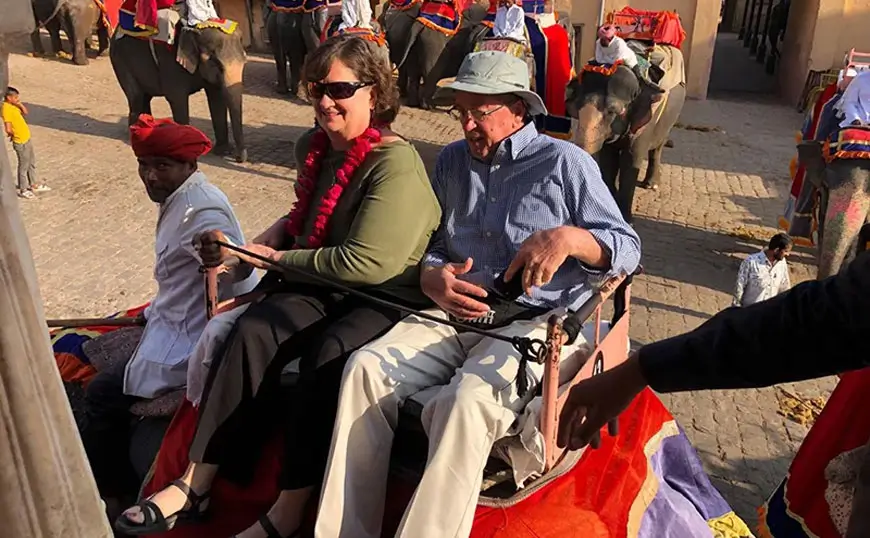
India is not a destination where culture sits quietly in museums or monuments. It lives in everyday interactions, gestures, routines, and unspoken social codes. For foreign travelers, this can feel fascinating and confusing at the same time. Most travel discomfort in India does not come from language barriers or logistics but from cultural misunderstandings. These misunderstandings are rarely intentional, yet they can affect how travelers are perceived, how comfortable they feel, and how smoothly experiences unfold. Understanding cultural etiquette is not about memorizing rules. It is about learning how social space works in India and adapting with awareness.
India is diverse, but certain cultural patterns remain consistent across regions. Respect for elders, modesty in public behavior, and awareness of personal space expectations shape daily life. Travelers who approach India with curiosity rather than comparison usually find interactions warm and generous. Cultural awareness reduces friction, builds trust, and allows travelers to move confidently rather than cautiously. This guide explains Indian cultural etiquette for travelers in a practical way, focusing on real situations foreign visitors commonly encounter.
Greetings in India carry meaning beyond politeness. While handshakes are common in urban and professional settings, many Indians still prefer traditional gestures such as a slight nod or a respectful greeting without physical contact. Travelers often assume that Western-style friendliness should be applied universally, but this can sometimes feel intrusive rather than warm.
Addressing people respectfully sets a positive tone. Using simple titles when appropriate and maintaining a calm demeanor helps interactions flow naturally. Loud or overly expressive greetings may feel uncomfortable in quieter or traditional environments. Understanding how to greet people in India helps travelers adapt without feeling awkward or overly formal.
Discover India in comfort with a private car and professional local driver. Get a personalized itinerary crafted just for you.
India’s population density changes how personal space is perceived. In crowded areas, physical proximity is common and usually unintentional. Travelers unfamiliar with this may feel uncomfortable or misinterpret closeness as rudeness. At the same time, certain gestures considered casual elsewhere may carry different meanings in India.
Touching someone’s head, pointing with feet, or using aggressive hand gestures can feel disrespectful. Body language should remain neutral and relaxed. Travelers who observe before reacting usually adjust quickly.
Understanding Indian body language etiquette helps travelers navigate crowded environments without stress.
Clothing plays a significant role in how travelers are perceived. While India is modern and fashion-forward in many cities, modesty remains important in public and religious spaces. This does not mean dressing traditionally, but it does mean dressing thoughtfully.
Covering shoulders and knees in temples and conservative areas signals respect. Lightweight, loose-fitting clothing works well in India’s climate and aligns naturally with local norms. Travelers who dress modestly often experience fewer stares and more comfortable interactions. Understanding what to wear in India is one of the simplest ways to travel confidently.
India’s religious diversity is visible everywhere. Temples, mosques, churches, and shrines are active spaces of worship, not tourist attractions in the usual sense. Visitors are welcome, but respectful behavior is expected.
Removing shoes before entering certain spaces, maintaining silence, and following local customs are important. Photography rules vary, and travelers should observe signage or ask before taking pictures. Showing patience in queues and rituals demonstrates awareness. Understanding religious etiquette in India allows travelers to experience sacred spaces without discomfort.
Food culture in India is deeply social. Meals are often shared, and hospitality is taken seriously. In traditional settings, eating with the right hand is customary, while the left hand is reserved for non-food activities. While foreigners are not expected to follow this perfectly, awareness is appreciated.
Refusing food repeatedly may be seen as impolite, while accepting at least a small portion shows respect. At the same time, travelers should never feel pressured to eat something they are uncomfortable with. Understanding Indian dining etiquette helps travelers balance politeness with personal boundaries.
Tipping in India is situational rather than fixed. In many places, small tips are appreciated but not mandatory. Over-tipping can create awkwardness, while under-tipping in service-oriented settings may feel dismissive.
Hotel staff, drivers, and guides often receive tips as part of service culture. Knowing when and how much to tip avoids confusion. Travelers who tip respectfully without excess usually find interactions smoother. Understanding tipping etiquette in India helps travelers navigate this subtle aspect of daily life.
India offers endless photographic opportunities, but not everything should be photographed casually. People, especially in rural or traditional settings, may feel uncomfortable being photographed without consent. Sacred rituals and private moments require sensitivity.
Asking permission before photographing people builds trust and often results in more genuine interactions. Some places restrict photography entirely. Respecting these boundaries enhances the travel experience rather than limiting it. Understanding photography etiquette in India helps travelers capture memories responsibly.
Public behavior in India tends to be more reserved than many travelers expect. Displays of anger, impatience, or confrontation are generally discouraged. Raising one’s voice or arguing openly can escalate situations unnecessarily.
Calm communication, patience, and flexibility go a long way. Travelers who remain composed often find locals eager to help resolve issues. Understanding public behavior norms in India allows travelers to handle challenges gracefully.
Gender roles in India vary by region, generation, and setting. While urban areas are more progressive, traditional norms still influence behavior in many places. Female travelers may receive attention simply due to curiosity rather than hostility.
Dressing modestly, maintaining confident body language, and setting clear boundaries help manage interactions. Male travelers should also be aware of how gestures and familiarity are perceived. Understanding gender etiquette in India helps all travelers feel more comfortable.
Indian communication often favors politeness and indirect responses over blunt honesty. A “yes” may sometimes mean “I will try” rather than a firm confirmation. Travelers who interpret responses literally may feel confused.
Asking clarifying questions gently helps avoid misunderstandings. Patience and flexibility improve communication outcomes. Understanding Indian communication style reduces frustration and builds mutual understanding.
Bargaining is common in local markets but should be approached respectfully. Aggressive bargaining over small amounts can feel disrespectful. A friendly tone and willingness to walk away maintain dignity for both parties.
Fixed-price stores and malls do not expect bargaining. Knowing where negotiation is appropriate avoids awkward situations. Understanding bargaining etiquette in India allows travelers to shop confidently without discomfort.
Time in India is often more fluid than in Western cultures. Delays happen, schedules shift, and plans adapt. While this can feel frustrating, reacting with rigidity usually worsens the situation.
Travelers who build buffer time and accept minor delays often feel less stressed. Flexibility is not a weakness in India; it is a practical skill. Understanding time culture in India helps travelers adjust expectations realistically.
Cultural etiquette is closely linked to personal comfort and safety. Travelers who understand social norms attract less unwanted attention and navigate situations more smoothly. Awareness reduces misunderstandings and builds rapport with locals.
This is especially important for first-time visitors who may feel uncertain. Cultural sensitivity acts as a bridge, making India feel more welcoming rather than intimidating. Understanding India travel etiquette enhances both confidence and enjoyment.
Travel is not just about places but about people. Cultural understanding transforms interactions from transactional to meaningful. Conversations become warmer, assistance becomes more genuine, and memories become richer.
Travelers who approach India with humility and curiosity often describe deeper connections than those who focus solely on sightseeing. Cultural awareness turns travel into exchange rather than observation.
India does not operate on strict cultural rules that apply everywhere. Observation is often more useful than instruction. Watching how locals behave, dress, and interact provides real-time guidance.
Travelers who stay attentive and adaptable usually integrate smoothly. Cultural etiquette in India is best learned through awareness rather than memorization.
Make your dream India journey stress-free! Chat with our travel experts on WhatsApp or contact us directly to plan a customized itinerary with private car and local driver.
Cultural etiquette is not about perfection. Mistakes happen, and most are forgiven when intent is respectful. What matters is openness, patience, and willingness to learn. Travelers who approach India with this mindset find the journey rewarding rather than intimidating.
Understanding cultural etiquette allows travelers to move through India with confidence, respect, and ease. It creates space for genuine experiences and lasting impressions that go beyond photographs.
No, awareness and respectful intent matter more than perfection.
Yes, especially in urban and professional settings.
No, modest Western clothing is perfectly acceptable.
Yes, but respectful behavior is essential.
No, when done politely and in appropriate settings.
It is best to ask for permission first.
No, but small tips are appreciated in service contexts.
Stay calm, patient, and aware of your surroundings.
They are generally discouraged in public spaces.
Most mistakes are forgiven when intent is respectful.