07 Mar 2026
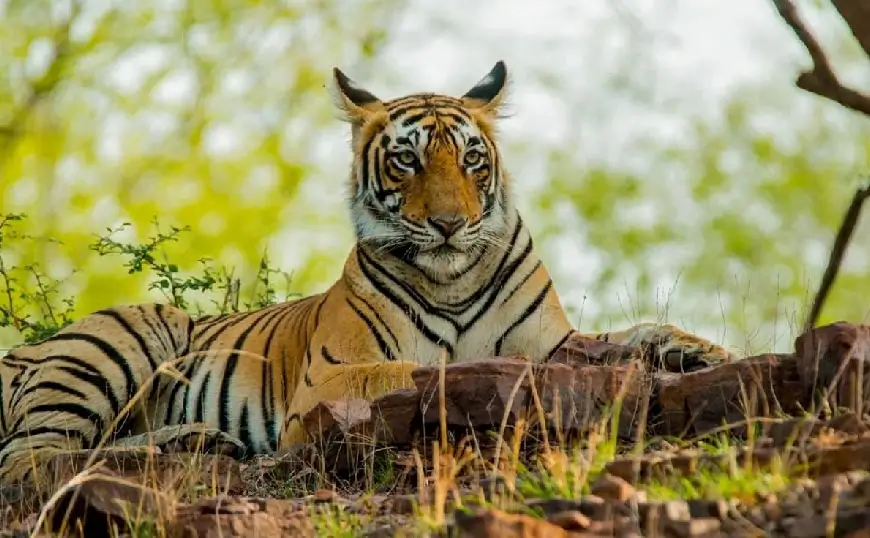
Ranthambore National Park is one of India’s most celebrated wildlife reserves and a major highlight for travelers exploring Rajasthan. Located near Sawai Madhopur, this former royal hunting ground has transformed into a protected sanctuary known globally for its Bengal tiger population. For visitors planning a Ranthambore safari booking, understanding how safari zones operate is essential to managing expectations and maximizing wildlife viewing opportunities.
The park is divided into multiple safari zones, each with distinct terrain, vegetation density, water bodies, and historical ruins. These zones were created to regulate vehicle movement and maintain ecological balance while ensuring visitor access across different parts of the forest. Safari vehicles are assigned to zones based on availability at the time of booking, rather than personal preference in most standard reservations. However, understanding the characteristics of each zone allows travelers to make informed decisions when planning a Rajasthan tour with wildlife experience.
Tiger sightings in Ranthambore depend on numerous factors including season, prey movement, water availability, and natural tiger territory patterns. No zone guarantees sightings every time, yet some zones have historically gained stronger reputations due to consistent tiger activity. The experience of Ranthambore goes beyond tiger photography; the forest is home to leopards, sloth bears, crocodiles, marshlands, and ancient ruins that enrich the safari journey.
The earlier numbered zones, often referred to as core zones, are considered the original safari areas of Ranthambore. These zones include dramatic landscapes featuring lakes such as Padam Talao and Rajbagh Talao, rocky ridges, dense forest cover, and historic structures including the iconic Ranthambore Fort. The visual appeal of these zones is one reason they remain highly sought after by wildlife photographers and international travelers.
Core zones are known for relatively open grasslands near water bodies where tiger movement can be more easily observed. Early morning safaris often provide opportunities to witness wildlife activity as animals gather around lakes. The combination of scenic backdrops and higher historical tiger movement has contributed to the popularity of these zones.
Travelers booking a private car and driver in Rajasthan often integrate Ranthambore between Jaipur and other heritage destinations. Understanding zone characteristics helps in coordinating safari timing with broader travel plans. While the core zones have strong reputations, wildlife movement remains unpredictable, and sightings depend largely on natural patterns rather than zone numbering alone.
Understanding Ranthambore’s safari zones is the first step to an amazing wildlife experience.
As tourism demand increased, Ranthambore expanded safari access into additional buffer zones. These zones were introduced to distribute visitor pressure and preserve ecological balance within core forest areas. Buffer zones often feature thicker vegetation and varied terrain, creating a different safari atmosphere compared to the open lake landscapes of core regions.
Although buffer zones were initially perceived as offering fewer tiger sightings, over time wildlife has adapted, and tiger territories have expanded into these regions. Several successful sightings have occurred in buffer areas, demonstrating that wildlife movement is not confined to traditional hotspots. For travelers seeking quieter safari experiences with fewer vehicles, buffer zones can offer a more serene environment.
When planning a Ranthambore wildlife tour, understanding that all zones contribute to the ecosystem helps manage expectations. Each safari offers unique sightings, including deer species, wild boars, langurs, peacocks, and occasional leopards. The forest’s biodiversity ensures that even without a tiger encounter, the experience remains rich and visually compelling.
The question most frequently asked by international travelers revolves around identifying the zone with the highest tiger sighting probability. While historical data suggests that certain core zones have produced consistent sightings over the years, wildlife experts emphasize that no zone can guarantee tiger visibility on every safari.
Tiger territories shift over time. Seasonal water availability influences movement, and younger tigers establishing territories often migrate across zones. Sightings in one zone during a particular month may shift entirely in subsequent seasons. Therefore, relying solely on reputation can lead to unrealistic expectations.
Professional naturalists recommend focusing on safari timing rather than obsessing over zone selection. Early morning drives generally offer better wildlife activity due to cooler temperatures. Booking multiple safaris increases sighting probability, regardless of assigned zone. Travelers combining Ranthambore with a Golden Triangle tour by private car often schedule two to three safari drives to enhance overall experience.
Ultimately, every zone in Ranthambore has recorded tiger sightings. The unpredictability of wildlife is part of the authentic safari experience.
Ranthambore operates with morning and afternoon safari slots. Morning safaris typically begin shortly after sunrise, while afternoon drives extend into sunset hours. Seasonal variations affect both temperature and animal movement.
During cooler months, wildlife activity spreads throughout the day, and tigers may move across open trails more frequently. In warmer months, animals concentrate around water sources, increasing sighting opportunities near lakes. The dry season often provides clearer visibility due to reduced foliage.
Travelers planning a Rajasthan private tour with Ranthambore safari should consider these seasonal factors when selecting travel dates. Safari availability depends on forest regulations and park schedules, making advance booking essential.
Choosing the right safari zone can greatly improve your chances of spotting tigers in Ranthambore.
Two primary vehicle types operate inside Ranthambore: open gypsies and canters. Gypsies accommodate smaller groups and provide flexible viewing angles, making them popular among photographers. Canters are larger vehicles suitable for group tours.
Private gypsy bookings allow travelers greater exclusivity within their assigned zone. When integrating Ranthambore within a private India car tour, many visitors opt for gypsy safaris to maintain comfort and personal space.
Vehicle allocation remains regulated by forest authorities to prevent overcrowding and environmental damage. Regardless of vehicle type, maintaining silence and following guide instructions enhances wildlife observation opportunities.
Responsible safari participation contributes to wildlife conservation. Maintaining distance from animals, avoiding loud conversations, and respecting forest guidelines protect both visitors and wildlife habitats.
While tiger sightings are often the primary goal, Ranthambore’s ecosystem supports diverse flora and fauna that make each safari unique. Observing crocodiles resting near lakes, watching spotted deer graze, or witnessing birds of prey in flight all contribute to the safari’s richness.
Travelers integrating Ranthambore within a broader Rajasthan tour itinerary should view the safari as an ecological immersion rather than a guaranteed tiger photography session. Patience and realistic expectations enhance satisfaction.
Ranthambore fits strategically between Jaipur and other heritage cities, making it an ideal addition to multi-day itineraries. Travelers often begin in Delhi, proceed to Jaipur, continue to Ranthambore, and then extend toward Udaipur or Jodhpur.
Coordinating safari bookings with private driver services in Rajasthan ensures timely arrival for morning or afternoon slots. Structured planning reduces stress and aligns wildlife experiences with hotel check-ins and road travel schedules.
This integration of wildlife and heritage exploration creates a balanced Rajasthan journey blending architecture, culture, and natural landscapes.
Several core zones have strong historical sighting records, but wildlife movement remains unpredictable.
Standard bookings assign zones based on availability, though private options may offer preferences.
Booking more than one safari increases overall sighting probability.
Early morning safaris often provide favorable wildlife activity.
Yes, buffer zones offer diverse landscapes and have recorded tiger sightings.
The distance is approximately 180 kilometers by road.
Yes, safaris operate under regulated forest guidelines ensuring visitor safety.
Yes, photography is permitted while maintaining wildlife distance rules.
Safaris typically run for several hours depending on slot timing.
Yes, it is commonly integrated between Jaipur and Agra routes.