08 Mar 2026
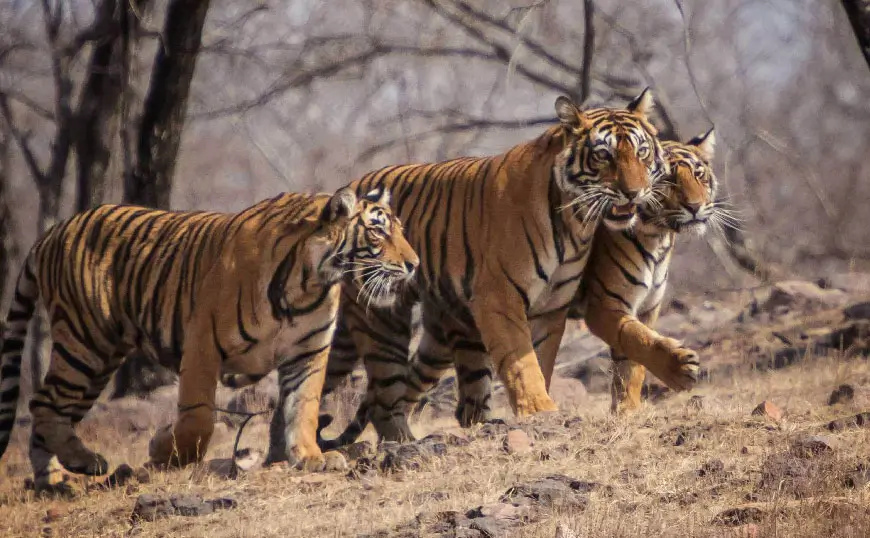
Planning a safari in Ranthambore requires more preparation than simply arriving at the park gate. Unlike open wildlife reserves where tickets can be purchased on arrival, Ranthambore safari booking operates under a regulated permit system controlled by forest authorities. This structured system protects the ecological balance of the park while allowing limited, organized tourism access. For travelers integrating Ranthambore into a broader Rajasthan tour by private car and driver, understanding how permits function is essential for securing confirmed safari slots.
Every safari vehicle entering Ranthambore National Park must carry a government-issued permit assigned to a specific zone and time slot. Permits are limited in number to prevent overcrowding and protect wildlife habitats. Because of this, safari availability often fills quickly, particularly during peak travel seasons when international visitors combine Ranthambore with the Golden Triangle tour.
Permits are issued per vehicle rather than per individual, meaning travelers booking private gypsy safaris secure exclusive vehicle access. Shared canter safaris allocate seats individually within a larger vehicle. Since allocation operates under strict forest regulations, early booking significantly increases the likelihood of obtaining preferred safari dates. Understanding this permit framework prevents last-minute disappointment and ensures smooth coordination within your overall travel itinerary.
The most reliable method to secure a safari is through the official online booking system operated by forest authorities or through authorized travel operators. Travelers must provide passport details, nationality, and identification information at the time of booking. Unlike many wildlife parks worldwide, Ranthambore requires passport details in advance because safari permits are non-transferable and strictly linked to the registered traveler.
Once the booking request is submitted, the permit is confirmed based on zone availability and vehicle quota. Payment is typically completed at the time of reservation. Travelers planning a private Rajasthan wildlife tour often allow their tour operator to manage this process, ensuring accuracy in documentation and minimizing administrative errors.
It is important to note that zone selection cannot always be guaranteed. While some booking categories allow zone preference requests, final allocation depends on forest department availability. This reinforces the importance of booking multiple safari slots if maximizing tiger sighting chances is a priority. The online system has significantly streamlined access, yet high demand still requires advance planning.
Book early and travel stress-free with expert help for safari permits, vehicles, and complete trip planning.
Two main vehicle categories operate inside Ranthambore: gypsies and canters. Gypsies are smaller open vehicles accommodating a limited number of passengers. They are particularly favored by photographers and families seeking a more personalized wildlife experience. The flexibility of a smaller vehicle allows better maneuverability and unobstructed views when wildlife is spotted.
Canters are larger open buses carrying more passengers. They provide a more economical safari option but offer less exclusivity. Travelers on shared tours often use canters, while those booking a private car and driver in Rajasthan frequently choose gypsies to maintain continuity and privacy.
Both vehicle types follow assigned routes within designated zones. Guides and drivers accompany each safari, ensuring safety and interpreting wildlife behavior. Vehicle type selection should align with comfort preferences and travel budget considerations.
Ranthambore operates two safari sessions daily, one in the morning and one in the afternoon. Timing varies slightly depending on seasonal daylight patterns. Morning safaris typically begin shortly after sunrise, while afternoon drives conclude near sunset.
Morning slots are widely regarded as favorable for tiger sightings due to cooler temperatures and increased animal activity. Wildlife tends to move more actively during early hours before midday heat intensifies. However, afternoon safaris offer dramatic lighting conditions that appeal to photographers and sometimes capture wildlife near water bodies during warmer months.
Travelers incorporating Ranthambore into a Rajasthan private tour itinerary often book both morning and afternoon safaris to diversify their chances. Booking at least two drives significantly enhances the likelihood of observing tiger movement across different time frames.
The total cost of a Ranthambore safari depends on vehicle type, nationality, and whether the booking is private or shared. Government permit charges form the primary component of the fee structure. Additional costs may include vehicle rental, guide charges, and service coordination fees if booked through a travel operator.
International visitors should expect a slightly higher fee structure compared to domestic travelers due to differentiated conservation charges. While safari costs may appear substantial, they contribute directly to wildlife protection and park maintenance initiatives.
When booking as part of a Rajasthan tour with wildlife experience, safari costs are often bundled within the overall package. This simplifies payment logistics and ensures confirmed access without separate transactions.
Ranthambore experiences peak demand during cooler months when international tourism is at its highest. Safari permits during this period can sell out weeks in advance, especially in zones with historically strong tiger activity. Travelers should ideally confirm safari bookings at least several weeks prior to arrival.
Last-minute bookings are occasionally available but remain unpredictable. Travelers arriving without confirmed permits may face limited options or restricted zone allocation. Coordinating safari reservations alongside hotel and transport bookings ensures better itinerary balance.
Tour operators managing Golden Triangle tours with Ranthambore extension often prioritize early permit applications to secure optimal time slots for their clients. Proactive planning reduces scheduling conflicts and ensures smooth integration with city travel days.
Avoid last-minute stress and secure your safari slot with expert assistance. From booking permits to arranging transport and itinerary.
Safari permits are subject to strict cancellation rules defined by forest authorities. Once confirmed, many permits are non-refundable due to administrative processing. Travelers should review cancellation terms carefully at the time of booking.
Changes in passport details or traveler names are typically not allowed after confirmation, reinforcing the need for accuracy during application. Arriving at the park without matching identification can result in denied entry.
Understanding these regulations helps travelers avoid administrative complications. Responsible planning ensures that safari experiences proceed without unexpected setbacks.
While zone allocation influences wildlife visibility, several practical strategies increase overall sighting probability. Booking multiple safaris across different time slots exposes travelers to varied environmental conditions. Selecting private gypsy vehicles allows greater flexibility in positioning during sightings.
Listening to guide instructions and maintaining silence during drives enhances animal detection chances. Wildlife movement often depends on subtle cues, and experienced guides interpret alarm calls from deer and langurs to track predator activity.
Travelers integrating Ranthambore within a private India tour by car and driver often schedule at least two nights in the region to accommodate multiple safari attempts. Patience and realistic expectations contribute to a rewarding wildlife experience.
Ranthambore is conveniently located between Jaipur and Agra, making it a strategic addition to heritage-focused itineraries. Travelers often arrive from Jaipur by road and depart toward Agra after completing safaris. This geographical positioning allows smooth integration within a structured travel route.
Ensuring that safari timings align with hotel check-ins and departure schedules prevents unnecessary rush. Professional drivers familiar with local road conditions contribute to punctual park arrivals, particularly for early morning safaris.
Combining wildlife exploration with palace stays and cultural sightseeing creates a balanced Rajasthan journey encompassing nature, architecture, and history.
Booking several weeks in advance is recommended during peak travel periods.
Zone allocation depends on availability, though preferences may sometimes be requested.
Many permits are non-refundable once confirmed by forest authorities.
Yes, passport details are mandatory for international visitors.
Morning safaris are generally considered favorable due to active wildlife movement.
Private gypsies offer exclusivity and better viewing flexibility.
Booking more than one safari increases overall sighting chances.
Yes, safaris operate under regulated and supervised conditions.
Yes, though age restrictions and comfort considerations should be reviewed.
The park operates seasonally with periodic closures during certain months.