16 Feb 2026
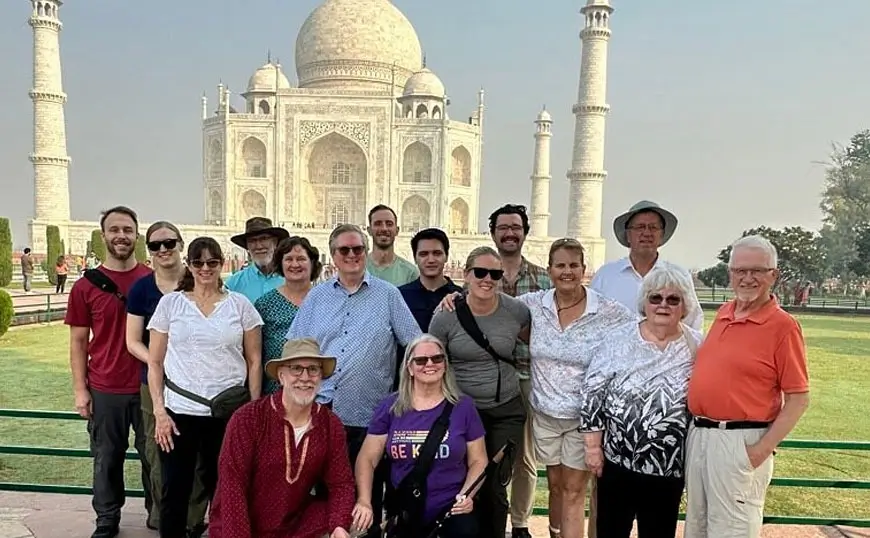
One of the most common concerns travelers express before visiting India is fear of crowds. Images of packed trains, busy streets, and dense markets dominate online discussions and social media. Over time, these images create an impression that India is uniformly crowded, chaotic, and overwhelming at all times. While it is true that India has a large population, equating population size with constant crowding is a misunderstanding. India is not crowded in one single way. Crowd intensity varies dramatically by location, timing, season, and travel style.
Understanding how crowded India really is requires separating perception from reality. Many travelers who arrive expecting nonstop chaos are surprised to discover long stretches of calm, open spaces, and quiet experiences. Crowd anxiety often comes from lack of context rather than actual conditions. This guide explains tourist density in India honestly, without exaggeration or reassurance that ignores reality.
India’s population density is often confused with tourist density. While India does have areas with high residential population, this does not automatically translate into tourist congestion. Most tourists move through a relatively small number of well-known attractions, while vast areas remain lightly visited.
Tourist density is shaped by popularity, accessibility, and timing. A single monument may feel extremely crowded for a few hours a day, while nearby areas remain calm. Understanding tourist density in India means recognizing that crowds are localized rather than constant. This distinction helps travelers plan strategically rather than avoid India altogether.
Images that circulate online often focus on peak moments: rush hours, festivals, major religious events, or transportation hubs. These moments are real, but they represent snapshots rather than daily reality. Media rarely shows quiet mornings, peaceful evenings, or less-visited neighborhoods.
Travelers who arrive with only these images in mind often feel anxious before they even land. Once on the ground, many realize that their actual experience is far more balanced. Understanding India crowd perception vs reality helps reset expectations and reduce pre-trip anxiety.
India can feel busy — but with the right planning, your journey can be smooth and comfortable. Our experienced Rajasthan driver
Local crowds and tourist crowds function differently. Local crowds are part of daily life and often move with purpose. Tourist crowds gather around specific attractions and tend to concentrate at predictable times.
Tourist crowds are usually densest during mid-morning and early afternoon at major sites. Outside these windows, the same locations can feel surprisingly open. Understanding tourist crowd behavior in India allows travelers to time visits effectively and experience popular places with less stress.
Timing is the single most important factor influencing how crowded India feels. Early mornings and evenings are often calm, even in busy cities. Midday tends to attract the highest concentration of visitors, especially at iconic attractions.
Travelers who structure their days around timing rather than volume often feel that India is far less crowded than expected. This is why timing-based travel planning in India plays such a crucial role in comfort and enjoyment.
Seasonality dramatically affects crowd levels. Cooler months attract higher tourist volumes, particularly in well-known regions. Warmer months often see a significant drop in tourist numbers, even in major destinations.
While summer brings climate challenges, it also brings space. Travelers who prioritize crowd avoidance over weather comfort often choose less popular seasons. Understanding seasonal crowd patterns in India helps travelers balance comfort and space according to personal preference.
Iconic sites concentrate visitors. Monuments, heritage complexes, and famous viewpoints act as magnets. Once travelers step outside these zones, crowd levels drop noticeably.
This concentration effect means that a destination can feel crowded for a short period and calm for the rest of the day. Understanding crowd concentration at Indian tourist sites helps travelers contextualize experiences rather than generalize them.
Cities like Delhi, Mumbai, and other large metros have dense populations, but travelers rarely spend their entire time in residential areas. Tourist experiences are usually focused on curated zones with infrastructure designed to manage visitors.
Urban density does not equal constant congestion for travelers. Many neighborhoods, parks, museums, and heritage areas offer breathing space. Understanding urban density and travel comfort in India helps travelers navigate cities more confidently.
Rural India is often imagined as equally crowded, but this is rarely true. Many rural areas are spacious, quiet, and slow-paced. Villages, countryside drives, and smaller towns offer calm experiences that contrast sharply with popular urban centers.
Travelers who include rural segments in their itinerary often describe these moments as the most relaxing part of their journey. Understanding crowd levels in rural India reveals a side of the country that contradicts popular assumptions.
Travel style significantly affects crowd exposure. Group tours often follow fixed schedules, leading to visits during peak hours. Independent travelers with flexible plans can adjust timing easily.
Private travel allows early starts, delayed entries, and alternative routes. This is why private travel in India often feels less crowded. Travel style determines how much crowd interaction travelers experience daily.
Road travel offers control. Travelers can leave earlier, take alternate routes, and avoid congested transit hubs. Unlike trains or buses, road travel does not require waiting in crowded stations.
This is where Rajasthan tour by car and driver–style travel proves valuable across India. Having private transport allows travelers to bypass crowded nodes and move smoothly between destinations. Reduced crowd exposure directly improves comfort.
Public transport in India can feel crowded, especially during peak commuting hours. However, long-distance trains and higher-class coaches offer more space and comfort. Crowding varies widely by route and time.
Travelers who plan transport strategically often avoid the most congested situations. Understanding crowds in Indian transport systems allows travelers to choose options that align with comfort preferences.
First-time visitors often notice crowds more acutely because everything feels unfamiliar. Noise, movement, and proximity may feel intense initially but become easier to process over time.
As travelers adapt, they learn to filter stimuli and focus on what matters. Understanding first-time travel crowd sensitivity in India helps explain why experiences improve after the initial days.
Personal space norms differ globally. India’s social environment often involves closer physical proximity in public spaces. This difference can feel uncomfortable for travelers accustomed to wider spacing.
Recognizing this cultural variation helps travelers adjust emotionally. Over time, proximity becomes less intrusive. Understanding personal space norms in India reduces cultural friction and stress.
Online narratives tend to amplify extreme experiences. Travelers rarely write posts about calm mornings or smooth days; they post about moments of stress.
This creates a distorted picture. Travelers who arrive expecting constant chaos often realize that most days feel manageable. Understanding online exaggeration of India crowds helps travelers recalibrate expectations.
Itinerary design determines crowd exposure. Visiting popular sites during off-peak hours, spacing out major attractions, and including quieter destinations reduces crowd stress.
Designing itineraries with comfort in mind transforms the experience. Understanding crowd-aware itinerary planning in India empowers travelers to travel confidently.
Expectation shapes perception. Travelers who expect overwhelming crowds may interpret normal activity as stressful. Those who expect variability adapt more easily.
Mental framing matters. Understanding psychological crowd perception in India travel explains why two travelers can experience the same place very differently.
Crowds are not always negative. Markets, festivals, and public spaces derive energy from people. Some travelers find this vibrancy enriching rather than exhausting.
Choosing when and where to engage with crowds allows travelers to appreciate them selectively. Understanding cultural significance of crowds in India adds nuance to travel experience.
Crowd fatigue occurs when travelers spend too much time in busy environments without breaks. Including quiet spaces, rest periods, and slower days prevents burnout.
Hotels, gardens, lakesides, and scenic drives provide relief. Understanding crowd fatigue prevention in India travel improves overall comfort.
Experienced India travelers plan around crowds instinctively. They start early, avoid peak hours, and know when to leave an area.
Learning from experienced patterns helps first-time visitors. Understanding experienced traveler strategies for India crowds reduces anxiety.
India’s size ensures diversity of experience. While some places are busy, many are calm. Generalizing crowd experiences leads to inaccurate conclusions.
India offers both intensity and tranquility, often within the same day. Understanding India travel diversity beyond crowds provides a balanced view.
Professional planning helps travelers avoid high-density times and locations. Routes are sequenced logically, and days are paced thoughtfully.
This is another area where Rajasthan tour by car and driver–style planning improves comfort. Logistics designed around timing reduce unnecessary exposure to crowds.
Travel satisfaction increases when travelers feel in control. Crowd awareness provides that control. Knowing when and where crowds appear removes surprise.
Preparation transforms anxiety into confidence. Understanding crowd awareness in India travel planning enhances enjoyment.
No destination is crowd-free. Accepting occasional crowds rather than resisting them reduces frustration. The key is balance, not avoidance.
India rewards travelers who accept its rhythms rather than fight them. Understanding crowd acceptance in India travel improves emotional experience.
India is often reduced to its busiest moments. This narrative overlooks its depth, calm, and variety. Travelers who look beyond headlines discover a more nuanced reality.
Experiencing India beyond crowd stereotypes leads to richer travel stories.
Realistic expectations replace fear with curiosity. When travelers understand where crowds exist and why, they feel prepared rather than overwhelmed.
Preparation creates confidence. Confidence enhances experience.
Space in India exists, but it requires intention. Early starts, thoughtful routing, and private transport create breathing room.
India offers space to those who look for it. Understanding finding space while traveling in India changes perspective.
Crowd exposure directly affects comfort. Managing it well improves mood, energy, and engagement.
Crowd reality should inform planning, not discourage travel.
India is neither endlessly chaotic nor perfectly calm. It exists between extremes. Understanding this balance allows travelers to engage honestly.
Honesty creates better travel decisions.
India may look crowded, but your trip doesn’t have to feel that way. With our private car and experienced local driver
Fear distorts experience. Awareness empowers it. Understanding crowd dynamics allows travelers to move confidently.
India is best experienced with open eyes and calm expectations.
No, crowd levels vary widely by location and timing.
Usually only during peak hours.
Yes, winter attracts more tourists.
They can be minimized with timing and planning.
Yes, they allow flexible scheduling.
Generally yes, but not everywhere.
Not usually, but awareness is important.
Yes, especially before arrival.
Initially yes, but adaptation happens quickly.
Yes, many travelers find its energy enriching.