01 May 2026
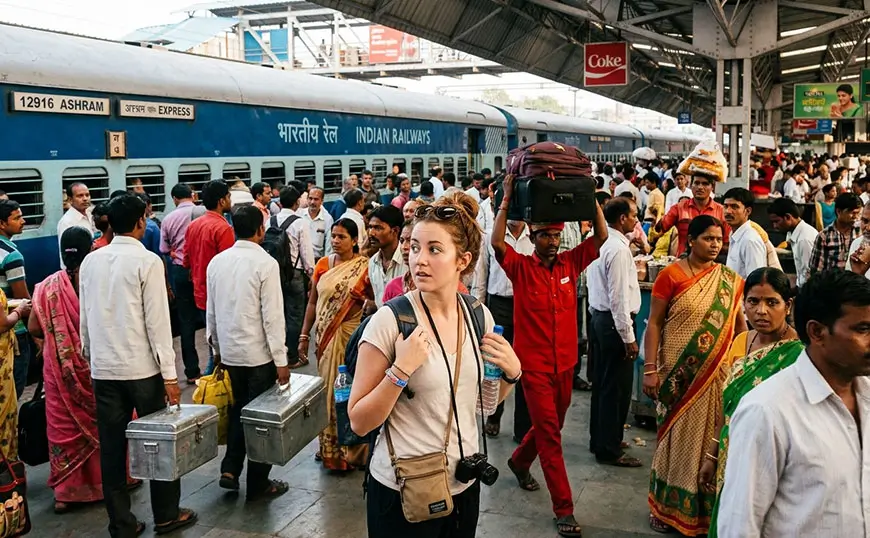
Arriving in India for the first time is not just a journey across continents—it is a sudden shift into an entirely different world. The moment you step outside the airport, your senses are awakened in ways you may have never experienced before. The sounds, the colors, the pace of life, and the human interactions can feel intense, unpredictable, and deeply fascinating at the same time. For many travelers, this initial phase is what is commonly referred to as culture shock in India, and it typically begins within the first few hours of arrival.
The first 48 hours are the most important phase of your trip because they shape your overall perception of the country. Some travelers feel overwhelmed, some feel excited, and many experience both emotions simultaneously. Understanding what happens during this period can help you adapt faster and enjoy your journey with confidence rather than confusion.
One of the first things tourists notice is the sheer intensity of the environment. Airports in India are modern and organized, but as soon as you step outside, the contrast becomes very real. The roads are busy, people move quickly, and there is a constant flow of activity. This is where the reality of first time travel in India begins to unfold.
Traffic in India is often the first major cultural difference that surprises visitors. Unlike many Western countries where traffic follows strict lane discipline, Indian roads operate on a more fluid system. Cars, bikes, auto-rickshaws, buses, and sometimes even animals share the same space. Horns are used frequently, not as a sign of aggression but as a way of communication. For someone unfamiliar with this system, it can initially feel chaotic, but after some time, patterns begin to emerge, and you realize there is an unspoken rhythm to it.
Busy markets, honking streets, delicious food, historic places, and friendly people — India shocks you, surprises you, and slowly makes you fall in love with it.
Another major aspect of India travel experience is the level of human interaction. In many parts of the country, people are naturally curious and friendly toward foreign visitors. You may find strangers asking where you are from, wanting to take photos, or simply starting a conversation. While this can feel overwhelming at first, it is generally a reflection of genuine interest rather than intrusion.
The concept of personal space is also different in India. In crowded areas such as markets, railway stations, or popular tourist sites, people stand closer to each other than what many international travelers are used to. This adjustment can take time, but once you understand that it is a normal part of daily life here, it becomes easier to accept.
Food is another significant part of the initial culture shock. Indian cuisine is rich, flavorful, and diverse, but it can also be quite different from what many travelers are accustomed to. Spices play a central role, and even simple dishes can have strong flavors. It is common for travelers to feel cautious about what to eat during the first couple of days. Choosing freshly cooked meals, eating at recommended places, and staying hydrated are simple ways to ease into the culinary experience.
Hygiene and cleanliness standards can vary depending on where you are. Major hotels, restaurants, and tourist-focused establishments maintain high standards, but street environments may appear less organized. This contrast is part of the broader India culture shock for tourists, and understanding it helps in managing expectations.
One of the most important emotional experiences during the first 48 hours is the feeling of being overwhelmed. The combination of sensory overload, unfamiliar systems, and constant activity can lead to mental fatigue. This is completely normal and happens to many travelers. Taking time to rest, staying in a comfortable environment, and not over-planning the first day can make a significant difference.
Language can also play a role in shaping early impressions. While English is widely spoken in tourist areas and by service providers, accents and communication styles may differ. Sometimes, simple conversations require a bit more patience and clarity. However, most people are helpful and willing to assist if you approach them politely.
Transportation choices greatly influence how comfortable your first 48 hours will be. Many experienced travelers prefer hiring a private car and driver in India because it reduces uncertainty and provides a sense of safety. Having a dedicated driver who understands routes, traffic, and local nuances can make your initial experience much smoother and more enjoyable.
Another interesting observation during the early phase of travel is the contrast between tradition and modernity. In the same city, you might see ancient temples, historic forts, luxury hotels, and modern shopping malls coexisting side by side. This blend creates a unique atmosphere that is both timeless and evolving.
Sleep patterns can also be affected due to jet lag and the new environment. The noise levels, time zone differences, and excitement of being in a new place can make it difficult to rest properly. Giving your body time to adjust is essential, especially during the first two days.
From colorful traditions and spiritual vibes to nonstop city life — India creates culture shock in the most beautiful way possible.
As the hours pass, something remarkable begins to happen. What initially felt overwhelming starts to feel familiar. The sounds become less intrusive, the crowds feel more manageable, and the interactions become more enjoyable. This transition is the moment when adjusting to India travel truly begins.
The key to handling culture shock is not to resist it but to embrace it with an open mind. India is not a destination that reveals itself instantly. It requires patience, curiosity, and a willingness to step outside your comfort zone. Those who approach it with flexibility often end up having some of the most memorable travel experiences of their lives.
Travelers who struggle the most are usually those who expect everything to function exactly as it does in their home country. India operates on its own rhythm, and once you accept that difference, the experience becomes much more rewarding. Instead of focusing on what feels unfamiliar, shifting your attention to what makes the country unique can completely change your perspective.
During the first 48 hours, it is also important to keep your itinerary light. Avoid trying to cover too many places in a short time. Allow yourself to observe, adapt, and absorb the surroundings. This approach not only reduces stress but also enhances your overall experience.
Another helpful tip is to stay connected with reliable support. Whether it is your hotel staff, a local guide, or a trusted travel service, having someone you can rely on for assistance adds a layer of comfort. This is especially valuable when navigating new environments.
Over time, the initial culture shock transforms into cultural appreciation. What once seemed chaotic starts to feel vibrant, and what felt overwhelming begins to feel alive. This transformation is one of the most rewarding aspects of traveling in India.
By the end of the first 48 hours, most travelers find themselves more confident, more relaxed, and more open to exploring further. The country begins to make sense in its own unique way, and the journey truly starts to unfold.
It is usually out of curiosity and interest, not disrespect.
Yes, it provides comfort, safety, and ease of travel, especially during the initial days.
Stick to freshly cooked food at trusted restaurants and avoid experimenting too much initially.
English is widely spoken in tourist areas, though accents may vary.
Start slow, stay in comfortable accommodations, and avoid over-planning your first day.
Yes, especially when they follow basic precautions and use reliable transportation and services.
Traffic, crowd density, and sensory overload are often the biggest initial surprises.
It can feel intense at first, but with the right mindset and preparation, it becomes an enjoyable experience.
Most travelers begin to feel comfortable within the first few days, especially after the initial 48 hours.
Culture shock refers to the feeling of being overwhelmed or surprised by the differences in lifestyle, environment, and social behavior when visiting India for the first time.