09 Mar 2026
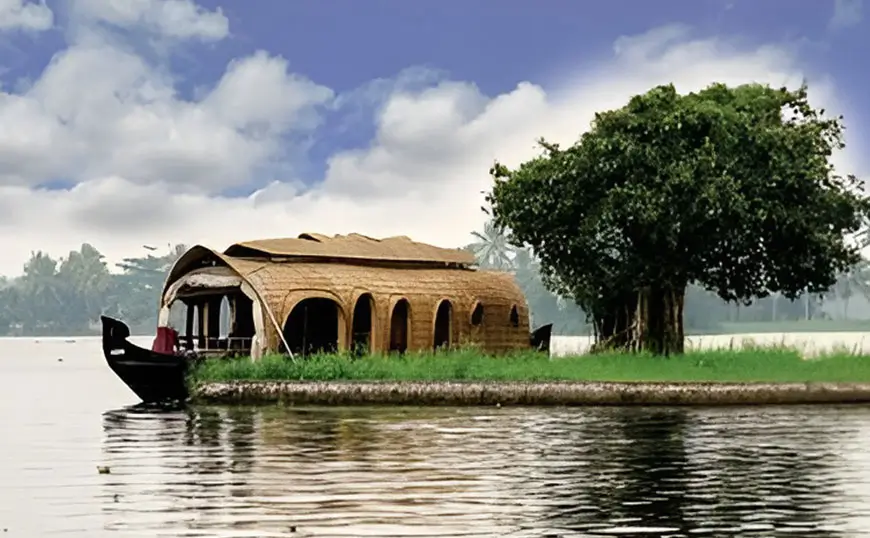
Kerala, located along India’s southwestern coastline, offers a tropical landscape defined by palm-fringed beaches, tranquil backwaters, spice plantations, and mist-covered hill stations. Unlike Rajasthan’s dry desert climate, Kerala experiences humidity, seasonal rainfall, and lush greenery throughout the year. For travelers planning a South India tour by private car and driver, understanding Kerala’s month-by-month climate is essential for choosing the most comfortable travel window.
Kerala’s weather is primarily influenced by tropical coastal conditions and monsoon systems. Temperatures remain relatively stable throughout the year, but rainfall and humidity levels vary significantly. The state experiences two monsoon periods, one stronger and more prolonged than the other. This results in dramatic landscape changes across seasons. During dry months, beaches and backwaters shine under clear skies, while monsoon months transform the state into a deep green paradise with flowing waterfalls and misty hills.
Travelers often assume that Kerala is best visited only during peak winter months, but this perspective overlooks the unique experiences offered during monsoon and shoulder seasons. The right time to visit depends largely on the type of experience desired. Whether the focus is on houseboat cruises in Alleppey, tea plantation stays in Munnar, wildlife exploration in Periyar, or coastal relaxation in Kovalam, each season offers distinct advantages. Integrating Kerala within a broader India private tour itinerary requires climate awareness to ensure comfort and realistic expectations.
The dry season in Kerala typically aligns with cooler, less humid conditions compared to the rest of the year. During this period, travelers experience clearer skies, comfortable daytime temperatures, and lower rainfall levels. Beaches in destinations like Kovalam and Varkala appear particularly inviting, and houseboat cruises in the backwaters operate under stable weather conditions.
This season is widely regarded as the most comfortable for first-time visitors. The humidity remains manageable, allowing extended sightseeing without excessive fatigue. Hill stations such as Munnar and Wayanad provide refreshing temperatures, especially during early mornings and evenings. Tea plantations appear vibrant under mild sunlight, creating ideal conditions for scenic photography and plantation walks.
Because this period aligns with international holiday seasons, accommodation demand increases significantly. Booking hotels and houseboats well in advance becomes crucial, especially for travelers coordinating a Kerala tour with private driver service. Although pricing may be higher during peak months, the comfort of stable weather often justifies the cost for many international visitors seeking predictable conditions.
Choose the perfect season and enjoy Kerala at its best—from calm backwaters to misty hills and vibrant culture.
The monsoon season in Kerala transforms the entire state into a lush tropical haven. Rainfall replenishes rivers, enhances waterfall flow, and revitalizes forests. While many travelers hesitate to visit during monsoon months due to concerns about heavy rain, this period offers unique advantages that should not be overlooked.
Rain typically falls in bursts rather than continuous downpours, allowing intermittent travel and sightseeing between showers. Hill stations become mist-covered, creating dramatic landscapes that photographers and nature enthusiasts find captivating. Backwaters appear fuller and more vibrant, enhancing the beauty of houseboat cruises.
Ayurvedic wellness retreats become particularly popular during the monsoon. Traditional practitioners often consider this season ideal for therapeutic treatments due to the body’s receptiveness during humid conditions. Travelers seeking relaxation rather than fast-paced sightseeing may find the monsoon period deeply rewarding.
However, heavy rainfall can occasionally affect road conditions, especially in hilly regions. Travelers planning a South India road trip itinerary during monsoon should allow flexibility in schedules and choose experienced drivers familiar with local terrain.
Between peak dry months and the monsoon period lies the shoulder season, which offers a balanced travel experience. During these months, rainfall decreases gradually, humidity becomes moderate, and tourist crowds are thinner compared to peak periods. Accommodation rates may also be more competitive, making this an attractive window for value-conscious travelers.
The shoulder season allows comfortable exploration of major destinations such as Kochi, Alleppey, and Thekkady without the density of peak-season tourism. Wildlife sightings in Periyar Wildlife Sanctuary may also improve as animals move toward water sources.
For travelers combining Kerala with Tamil Nadu or Karnataka within a broader South India private car tour, shoulder months often provide smoother cross-state travel conditions. The roads remain manageable, and sightseeing remains enjoyable without extreme weather interference.
Best Time to Visit Kerala: Month-by-Month Weather & Travel Guide
Every season in Kerala has its own charm, from serene backwaters to misty hill stations and beautiful beaches.
Kerala’s climate follows a cyclical pattern that influences travel conditions each month. Early-year months generally offer cooler temperatures and low rainfall, creating optimal beach and backwater experiences. As the year progresses toward late spring, temperatures gradually rise, and humidity increases.
The onset of the primary monsoon typically occurs mid-year, bringing significant rainfall. This period continues for several months before tapering off gradually. Toward the end of the year, dry conditions return, accompanied by pleasant temperatures that attract international tourists.
Understanding these monthly patterns allows travelers to align expectations with seasonal realities. For example, travelers prioritizing houseboat photography may prefer dry months, while those seeking lush green landscapes may appreciate monsoon travel. Integrating Kerala into a structured India tour by car and driver becomes more efficient when climate patterns are factored into itinerary design.
Different regions of Kerala respond uniquely to seasonal changes. Beach destinations benefit most from dry and moderately humid conditions, allowing uninterrupted sun exposure and sea activities. Hill stations maintain cooler temperatures year-round but appear especially dramatic during and immediately after monsoon months.
Backwater cruises operate throughout the year, though weather comfort varies. Wildlife exploration in Periyar may offer improved sightings during drier months when animals gather around water bodies. Cultural festivals and temple events occur across different times of the year, adding additional layers to travel planning.
Travelers designing a custom South India itinerary with private driver should match travel dates with specific experiences rather than relying solely on generalized seasonal advice.
Accommodation pricing fluctuates significantly across seasons. Peak travel months often require early booking and advance payment, particularly for premium houseboats and boutique resorts. Monsoon months may provide discounted rates but require flexibility in daily planning.
Road travel in Kerala involves winding hill routes and coastal highways. Choosing experienced drivers familiar with monsoon driving conditions enhances safety and comfort. Combining Kerala with nearby states such as Tamil Nadu requires careful route planning to avoid weather-related disruptions.
Packing should align with climate expectations. Lightweight breathable clothing suits humid conditions, while light jackets may be necessary for hill station evenings. Waterproof footwear and rain protection become essential during monsoon months.
Yes, monsoon offers lush landscapes and wellness experiences, though flexibility is required.
Cooler dry months provide stable weather and lower humidity.
Yes, houseboats operate throughout the year with seasonal variations in comfort.
Occasional heavy showers may slow travel, particularly in hilly areas.
Humidity levels vary but are generally higher compared to northern India.
Dry months with lower rainfall are ideal for uninterrupted beach time.
Yes, Munnar and Wayanad offer noticeably cooler temperatures.
Yes, international tourism increases during cooler dry months.
Yes, many travelers combine both states within a South India itinerary.
Yes, Kerala maintains a strong tourism infrastructure and safety record.